Why Automotive Brands Choose Premium Artificial Leather
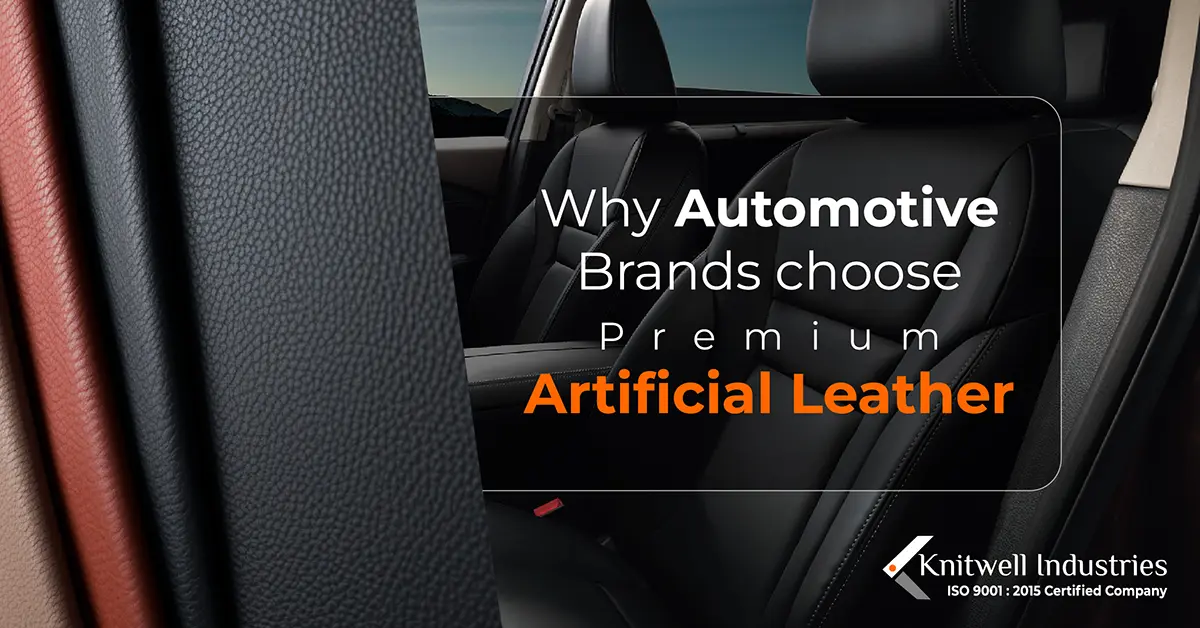
A car buyer does not judge a vehicle only by its engine, mileage, or price. The interior matters too. Seats, door panels, colour choices, stitching, and surface finish all shape the driving experience. This is why many car companies now use premium artificial leather inside their vehicles. It looks smart, feels comfortable, and is easier to maintain than natural leather. It also gives carmakers more control over colour, texture, cost, and production. From small city cars to premium SUVs, artificial leather has become a common choice for modern vehicle interiors.
Why Car Interiors Matter So Much
The inside of a car is where drivers and passengers spend most of their time. A well-finished cabin can make even a mid-range car feel more comfortable and expensive.
Seats play a big part in this. People notice the texture, softness, stitching, and colour as soon as they sit down. Good upholstery can improve the look of the whole cabin.
Premium artificial leather helps car brands create this effect without depending only on natural leather.
A Better Look Without a Heavy Cost
Natural leather often comes with a higher price. It may also show natural marks, colour differences, and uneven grain.
Premium artificial leather gives a cleaner and more even finish. It can copy the look of natural leather while keeping the surface consistent across every seat.
Car brands can choose from:
- Smooth or grainy finishes
- Light or dark shades
- Matte or glossy surfaces
- Plain or perforated designs
- Single-colour or dual-colour seats
- Contrast stitching
- Custom patterns
This makes it easier to create different looks for different car models.
Built for Daily Use
Car seats face constant use. People sit, move, enter, and leave the vehicle many times each day. The surface also comes in contact with clothes, bags, dust, food, drinks, and sunlight.
Good synthetic leather seats can handle this daily use better than many basic upholstery materials. They are made to resist rubbing, light scratches, stains, and fading.
This is especially useful for:
- Family cars
- Taxis
- Rental vehicles
- Company fleets
- Ride-sharing cars
- School transport
- Luxury travel vehicles
A stronger seat surface also means fewer complaints about peeling, cracking, or early damage.
Easy to Clean
One reason car owners prefer synthetic leather car seats is simple cleaning.
Dust and small spills can often be removed with a soft cloth. Most users do not need costly cleaning products or regular polishing.
This is helpful for families with children, pet owners, drivers who travel often, and commercial vehicle operators.
A clean seat also keeps the cabin looking fresh for longer.
Used Beyond Car Seats
Artificial leather is not used only on seats. Car brands often use the same material on several parts of the cabin.
Common uses include:
- Door panels
- Armrests
- Dashboard sections
- Headrests
- Centre consoles
- Steering wheel covers
- Gear lever covers
- Side trims
- Seat backs
Using similar material across these areas gives the cabin a neat and balanced look.
Premium Artificial Leather and Natural Leather Compared
| Feature | Premium Artificial Leather | Natural Leather |
|---|---|---|
| Cleaning | Easy to wipe | Needs more care |
| Colour | More consistent | May vary |
| Cost | Easier to control | Usually higher |
| Design choice | Many options | Fewer options |
| Water resistance | Often better | Can absorb moisture |
| Surface finish | Even and uniform | Natural marks may appear |
| Supply | Easier for bulk orders | Depends on hide quality |
Natural leather still has its place in the market. However, artificial leather gives car companies better control when they produce vehicles in large numbers.
More Choice for Car Designers
Modern car buyers want more than black or beige seats. They want interiors that match the style of the car.
A sporty vehicle may use black seats with red stitching. A luxury sedan may use tan or cream upholstery. An electric car may use lighter colours with a clean, simple finish.
Premium synthetic seats give designers room to try different ideas.
They can use:
- Diamond stitching
- Decorative piping
- Perforated centre sections
- Embossed logos
- Two-tone seat covers
- Matching door trims
- Different grain patterns
This helps each car model develop its own identity.
Steady Quality for Large Orders
Car companies need the same colour, thickness, and texture across thousands of vehicles. Small changes in material can affect the final look of the cabin.
Artificial leather offers better consistency from one roll to another. This makes it easier for factories to maintain the same finish across large production runs.
Knitwell Industries supplies artificial leather for businesses that need steady colour, texture, backing, and surface quality. This matters in automotive work because even a small shade difference can become visible when several interior parts sit next to each other.
Comfort for Long Drives
The look of the seat matters, but comfort matters more during long journeys.
Modern artificial leather can feel soft and flexible. It can also fit well around seat foam and curved surfaces.
Some materials come with perforated sections that allow better airflow. These are often used in ventilated seats or cars sold in hot regions.
The right material can help reduce the hard or sticky feeling linked with cheaper seat covers.
Better Control Over Production Cost
Car brands work with strict budgets. Every material must fit the price level of the vehicle.
Artificial leather helps keep the cost more predictable. It is available in large rolls, creates less waste, and supports bulk production.
This allows carmakers to offer leather seats in cars that sit in the middle price range. Buyers get a smart cabin without paying the higher price linked with natural leather.
Suitable for Many Types of Vehicles
Premium artificial leather works across many vehicle categories.
It is used in:
- Hatchbacks
- Sedans
- SUVs
- Electric cars
- Luxury cars
- Buses
- Commercial vehicles
- Two-wheelers
Each vehicle may need a different material. A taxi may need a tougher surface, while a luxury car may need a softer finish. A bike seat may need stronger grip and better weather resistance.
What Car Brands Check Before Buying
Car companies do not choose upholstery only by looking at colour and texture. They also test how the material performs.
Important checks include:
- Resistance to rubbing
- Tear strength
- Colour fading
- Heat resistance
- Cold resistance
- Surface flexibility
- Cleaning ability
- Backing strength
A trusted supplier should provide samples and product details before a large order is placed.
Why Automotive Brands Choose Premium Artificial Leather
Car brands choose premium artificial leather because it solves several problems at once. It looks good, lasts longer, cleans easily, and gives designers more choice. It also supports large production orders without major changes in colour or texture.
For buyers, premium synthetic seats offer comfort and a neat cabin. For manufacturers, they offer better cost control and steady supply.
Knitwell Industries works with businesses looking for artificial leather that suits different automotive uses, from seating to interior trims. As car interiors become more important in the buying decision, demand for better-quality artificial leather will keep rising.
Frequently Asked Questions
Are synthetic leather seats good for cars?
Yes. They are easy to clean, comfortable, and suitable for daily use.
Do synthetic leather car seats crack?
Poor-quality material may crack, but good material lasts longer with basic care.
Are leather seats in cars easy to maintain?
Artificial leather seats are usually easier to maintain than natural leather seats.
Can premium synthetic seats be used in luxury cars?
Yes. Many premium cars use high-grade artificial leather for seats and interior trims.
Where is automotive artificial leather used?
It is used on seats, door panels, dashboards, armrests, headrests, and steering wheel covers.