How to Choose the Best Material for Car Interior
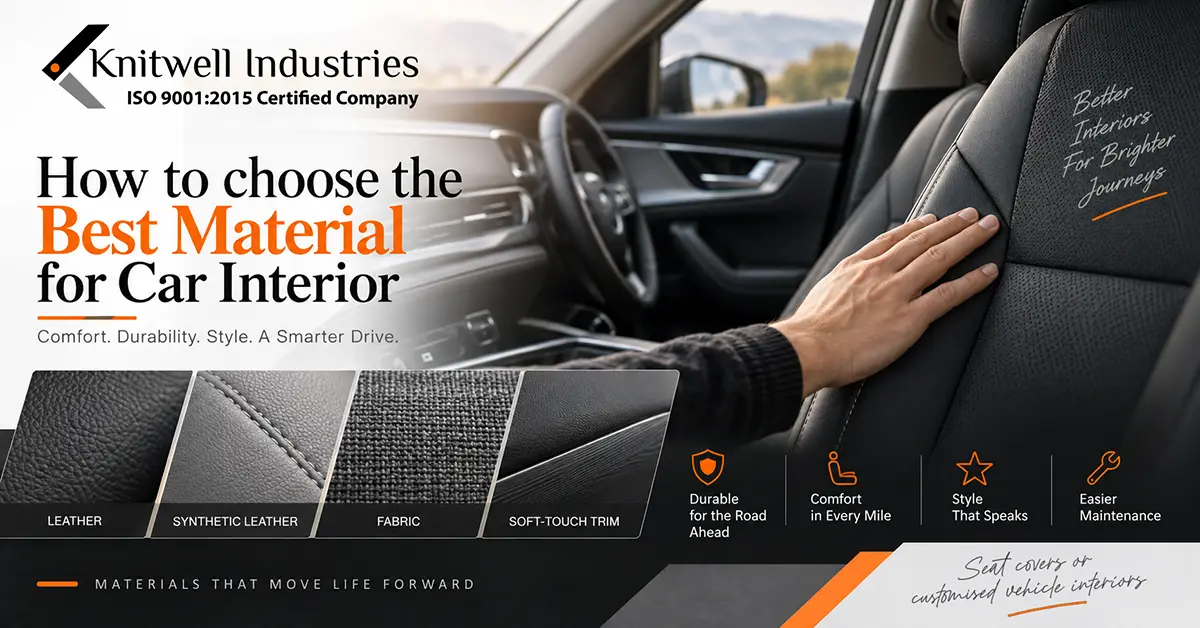
What goes into a car’s interior affects a lot more than how it looks. Seats, door panels, dashboards, roof coverings, gear covers and floor areas are all exposed to heat, dust, friction, spills and everyday usage. Choosing the right material for car interiors can help make the cabin easier to maintain, while enhancing comfort and keeping the interior looking good for longer.
Car interiors can be of different types like fabric, genuine leather, synthetic leather, PVC, PU, plastic, metal and decorative trims. Different materials perform differently and the best one for you will depend on where you are going to use it, how often you run the vehicle and how much maintenance you want to do.
How to Choose the Best Material for Car Interior Based on Daily Use
Understanding How to Choose the Best Material for Car Interior starts with the actual use of the vehicle. Consider how often passengers enter and leave the car, whether children regularly travel in it, the local climate, and how much time you can spend on cleaning.
Check these points before selecting a material for car interior:
- Resistance to everyday wear
- Comfort in hot and cold weather
- Ease of cleaning
- Resistance to stains and moisture
- Surface texture and appearance
- Flexibility for seat upholstery
- Colour and pattern options
- Maintenance requirements
- Cost and expected life
For seat upholstery and related vehicle applications, Automotive Artificial Leather is one option worth considering because automotive-grade artificial leather is used for car seats, seat covers, gear covers, roof linings, dashboard linings, and other vehicle applications.
Common Car Interior Material Types
Knowing the main car interior material types makes comparing your options much easier.
Genuine Leather
Genuine leather remains a popular car seat material in premium and luxury vehicles. It gives seats, armrests, steering wheels, and selected trim areas a natural finish. Leather can last for years when cared for correctly, but it usually costs more and needs regular cleaning and conditioning.
It can also become warm when a vehicle remains under strong sunlight, so climate and parking conditions matter when choosing it.
Synthetic and Artificial Leather
Synthetic leather gives the interior a leather-style look without using natural hide. PU and PVC-based materials are widely used for automotive upholstery because manufacturers can produce them in various grains, patterns, textures, and colours.
Automotive PVC Leather works particularly well for seat covers and other frequently handled areas where buyers want easy cleaning and a neat finish. The automotive range on the Rexine Manufacturer website includes PVC leather, artificial leather, PVC/PU hood leatherette, and PU leather for car seat covers.
Fabric and Textile
A good car seat fabric material can provide a comfortable and breathable seating surface. Fabric remains common in everyday passenger cars because it does not heat up as quickly as some leather surfaces and offers a soft seating feel.
However, fabric can absorb liquid and stains more easily. If you choose fabric, look for strong upholstery with tightly woven fibres and a surface designed for regular vehicle use.
PVC and PU Leather
PVC and PU are among the most commonly discussed type of car seats material options when buyers want an alternative to genuine leather.
PVC leather generally offers good surface resistance and easy maintenance. PU leather can provide a softer touch and a tight leather finish. Compare thickness, backing, flexibility, abrasion resistance, grain and intended use before buying as quality can vary between products.
For decorative seat designs, Embossed and Printed Leather can also provide different patterns and surface finishes. The material is used for automotive seat upholstery and accessory covers as well as other applications.
Car Interior Plastic Parts List and Materials
Plastics play a major role in modern types of car interiors because manufacturers can shape them into lightweight and complex components.
A typical car interior plastic parts list may include:
- Dashboard
- Door panels
- Centre console
- Air vent frames
- Glove box
- Pillar trims
- Instrument covers
- Control buttons
- Floor mats
- Decorative panels
Polypropylene (PP), ABS, PVC, polycarbonate, and PC/ABS blends are commonly used for different interior components. PP may appear in dashboards and door panels, ABS in consoles and trim, while PVC is commonly used where a softer or flexible surface is required.
Choose Car Seat Material According to Your Needs
When comparing a type of car seats material, think beyond colour.
Choose fabric when breathability and everyday comfort matter most. Genuine leather suits buyers who prefer a natural premium appearance. PU or PVC artificial leather can suit people looking for simpler cleaning, varied designs, and leather-style upholstery.
For replacement seat covers or customised vehicle interiors, you can also explore PU Leather for Car Seat Cover and other New Items according to the required texture, thickness, and finish.
Always inspect a sample before placing a large order. Bend it, touch the surface, check the backing, and compare the shade in natural light. A material that looks attractive in a catalogue may feel very different once installed inside a car.
Match Different Types of Car Interior Materials Carefully
The best different types of car interior combine materials according to function. Seats need comfort and flexibility, dashboards need shape and heat resistance, while door trims need a balance of appearance and durability.
Instead of selecting one material for the whole cabin, assign each surface its daily task. The upshot is an interior that looks good, feels comfortable and is still practical to maintain. Buyers can browse the available range of automotive rexine, artificial leather, PVC and PU upholstery options from Rexine Manufacturer.
FAQs
1. Which material is best for car interiors?
Leather, artificial leather, PU, PVC, and fabric are all useful. The best option depends on usage, budget, climate, and maintenance needs.
2. Which car seat material is easy to clean?
PVC and synthetic leather are generally easier to wipe and maintain than fabric upholstery.
3. Is PU leather good for car seats?
Yes. Good-quality PU leather can provide a soft finish and leather-style appearance for car seat covers.
4. What plastic is used in car interiors?
PP, ABS, PVC, PC, and PC/ABS blends are commonly used for dashboards, consoles, trims, and other interior parts.
5. Is fabric suitable for car seats?
Yes. Fabric offers good breathability and comfort, although it may require more cleaning after spills and stains.